
Licensed Mold Inspection, Testing & Remediation
IICRC S520-certified mold inspection, testing and remediation across Washington DC, Montgomery County and Baltimore MD, New Jersey, South Florida and Yonkers NY.
Licensed mold remediation — call to schedule
- IICRC S520 Certified
- Licensed & Insured
- Independent Clearance Testing
- Free Inspection
Our Mold Remediation Services
From initial inspection to independent clearance testing — every step of the IICRC S520 process, handled by licensed contractors.
Mold Inspection
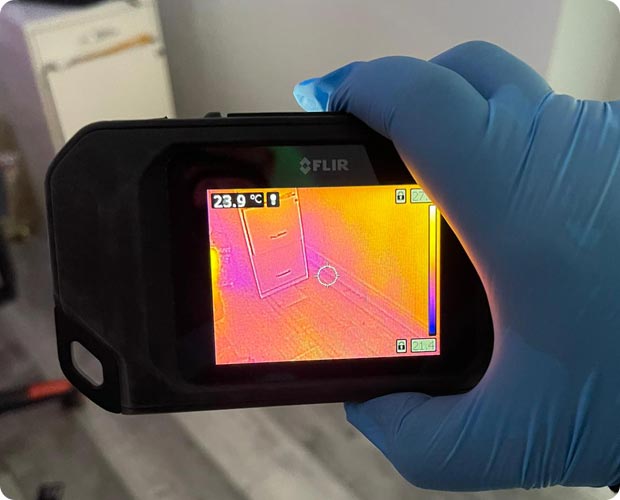
A professional mold inspection identifies the type, extent, and moisture source driving mold growth through visual survey, moisture mapping, and air or surface sampling by a licensed mold assessor — with a written remediation protocol included.
Learn more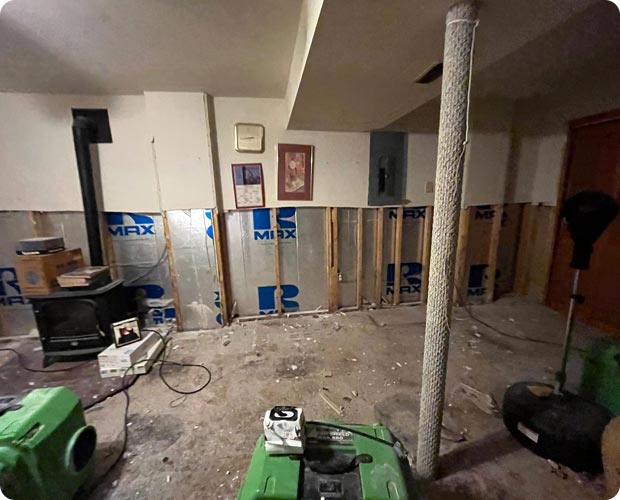
Mold Remediation
IICRC S520-certified mold remediation includes source moisture control, physical containment, HEPA-vacuuming and removal of affected porous materials, antifungal treatment of structural surfaces, and independent clearance testing — never by the same company that performed the remediation.
Learn more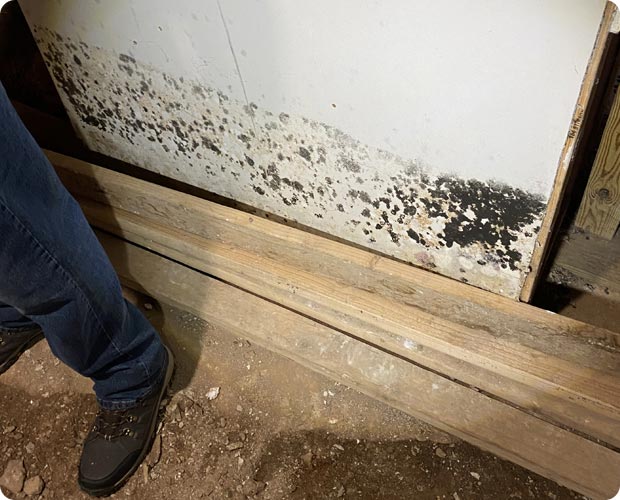
Black Mold Removal
Black mold (Stachybotrys chartarum) removal requires a full IICRC S520 Level III protocol — independent assessment, negative-pressure containment, physical removal of all contaminated porous materials, P100 respirator protection, and independent clearance testing. Bleach or encapsulant spray is not remediation.
Learn more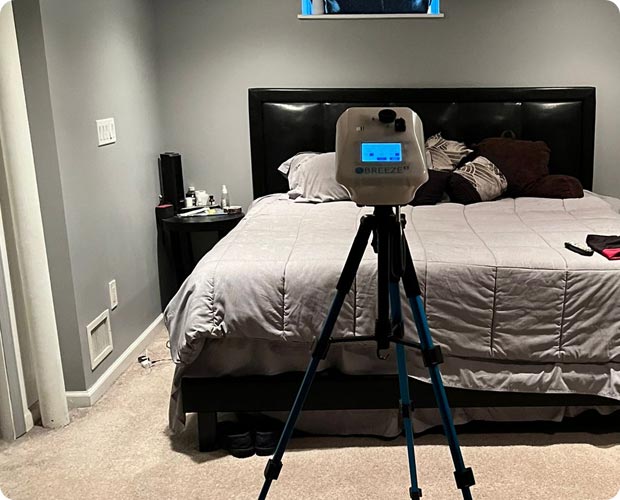
Mold Testing & Air Quality
Professional mold testing includes paired indoor/outdoor air cassette sampling, surface samples for Stachybotrys and Chaetomium, analysis at an AIHA-accredited laboratory, and a written report with species identification, spore counts, and interpretation — distinguishing elevated indoor levels from normal background.
Learn more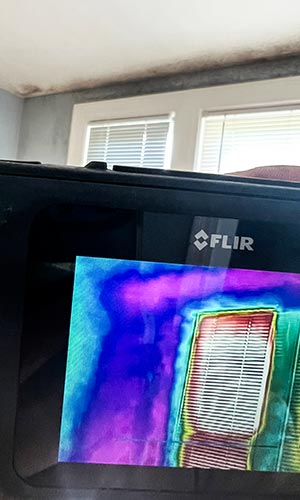
Water Damage Restoration
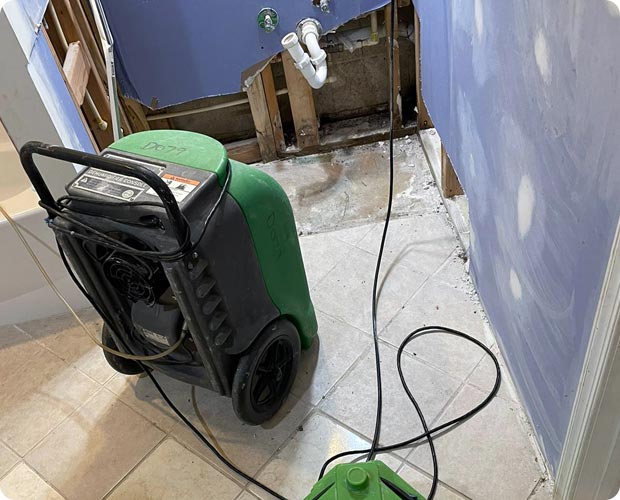
Water damage restoration follows the IICRC S500 standard: Category 1/2/3 water classification, immediate extraction, structural drying with dehumidifiers and air movers within 24 hours, daily moisture monitoring, and mold prevention through achieving IICRC drying goals before reconstruction begins.
Learn more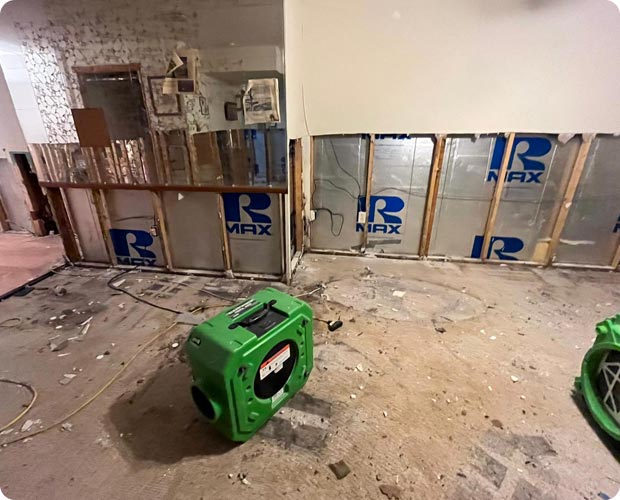
Basement Mold Removal
Basement mold removal requires identifying and permanently correcting the moisture source — foundation seepage, sump failure, or condensation — before remediation of affected framing and drywall, followed by encapsulation of the crawl-space or basement slab if chronically damp.
Learn more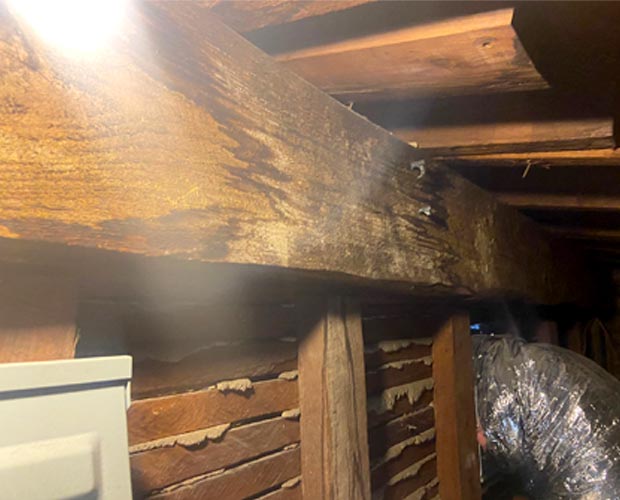
Crawl Space Mold Remediation
Crawl space mold is driven by ground moisture vapour and inadequate ventilation — remediation includes IICRC S520 treatment of floor joists and subfloor framing, followed by ground vapour barrier installation and ventilation correction to prevent recurrence.
Learn more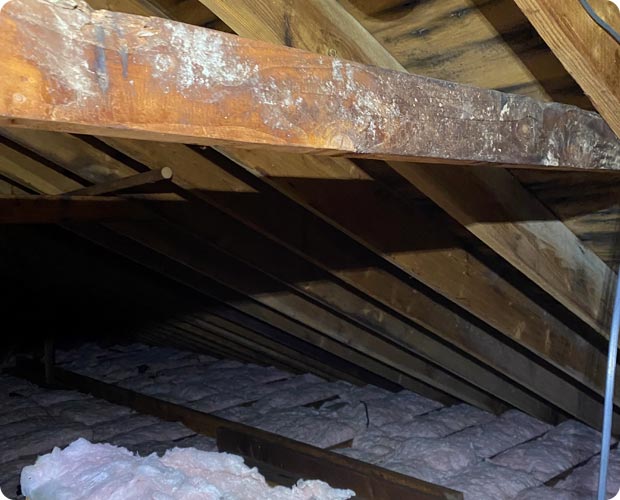
Attic Mold Removal
Attic mold grows on roof sheathing and rafters when inadequate ventilation traps moisture from bathroom exhaust fans, kitchen vents, or ice dam leaks — remediation treats the wood surfaces and corrects the ventilation deficiency or moisture source to prevent recurrence.
Learn more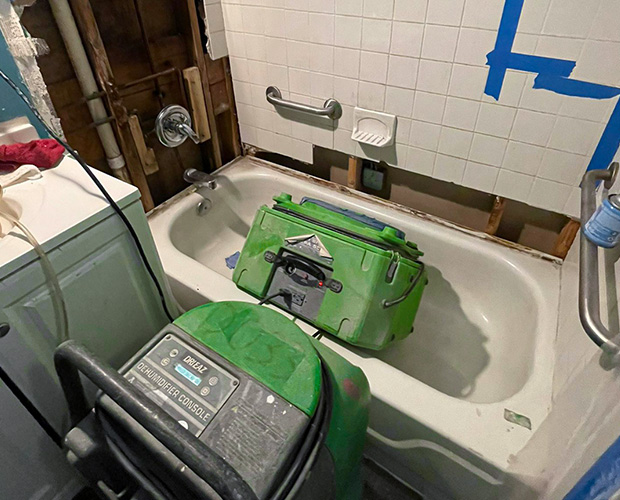
Bathroom Mold Removal
Bathroom mold may be surface growth (Cladosporium on grout or caulk, treatable with professional cleaning) or structural (mold behind drywall or subfloor from chronic moisture), which requires IICRC S520 protocol remediation — a professional assessment determines which applies.
Learn more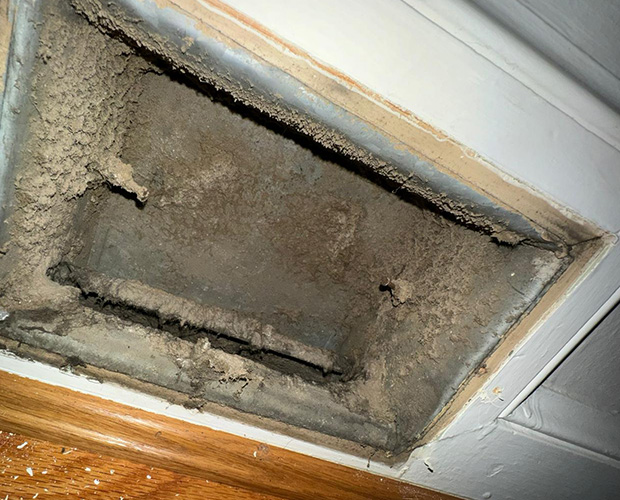
HVAC Mold Cleaning
HVAC mold requires specialist remediation — not routine duct cleaning — including assessment and treatment of the air handler coil and drain pan, duct interior surfaces, and post-remediation air sampling to confirm clearance before the system is operated again.
Learn more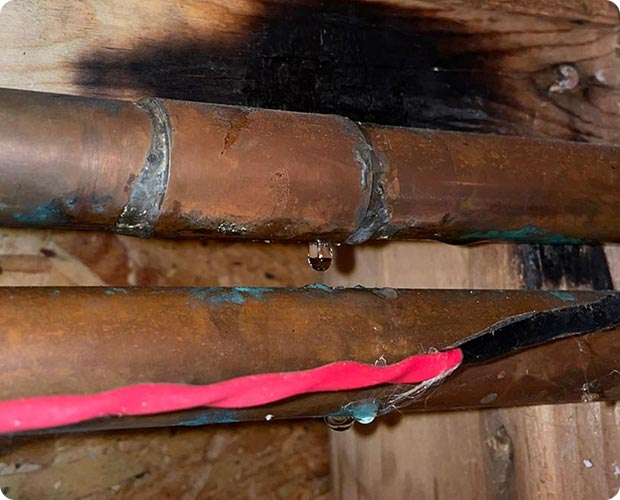
Crawl Space Encapsulation
Crawl space encapsulation installs a reinforced 20-mil polyethylene vapour barrier over the floor and lower walls, sealed at all seams and foundation penetrations, to permanently control ground moisture and prevent future mold growth — the definitive solution for chronically damp crawl spaces.
Learn more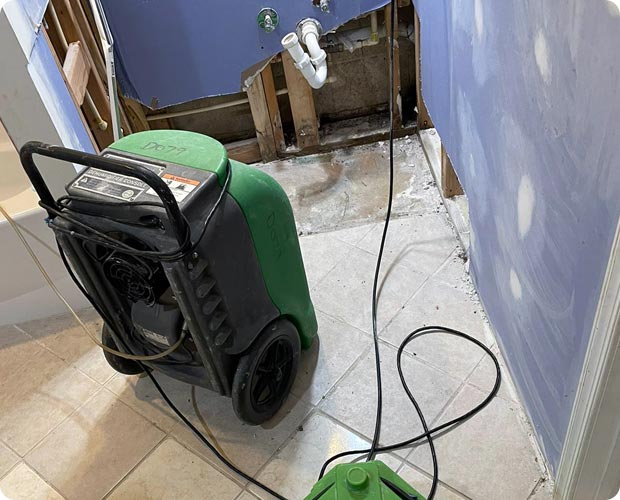
Post-Remediation Clearance Testing
Post-remediation clearance testing must be performed by an independent licensed mold assessor — not the remediator — with air samples collected while containment is still in place, an outdoor control sample taken simultaneously, and results confirming the remediated area has returned to Condition 1 (normal) spore levels before containment is removed.
Learn moreHow Mold Remediation Works
- 1
Inspect
A licensed mold assessor conducts a visual survey and moisture mapping of the property to identify all affected areas.
- 2
Test
Air and surface samples are sent to an AIHA-accredited laboratory to identify mold species and spore counts. You receive a written remediation protocol.
- 3
Remediate
Remediation follows IICRC S520: containment, physical removal, HEPA cleaning, and moisture source correction — in that order.
- 4
Clear
An independent inspector (not the remediator) conducts air sampling 24–72 hours after the work to verify clearance. You receive a written clearance report.
Baltimore, New Jersey & Miami
Licensed mold remediation contractors serving 96 locations across three markets.
Frequently Asked Questions
How do you get rid of mold?
Under the IICRC S520 standard, remediation starts with fixing the moisture source, then containment, HEPA vacuuming, physical removal of contaminated porous materials, antifungal treatment of structural surfaces, and independent clearance testing — never spraying visible growth and leaving it in place.
Is all black mold dangerous?
"Black mold" usually refers to Stachybotrys chartarum, which does produce mycotoxins and does warrant professional remediation. Whether it causes illness in a specific case depends on concentration, exposure duration, and individual sensitivity — those are questions for a physician or certified industrial hygienist, not a contractor.
Why use an independent assessor instead of having the remediation crew inspect it themselves?
Industry standard treats the same company assessing and remediating as a conflict of interest — there's no accountability check if a company scopes its own work and then clears itself. MoldAct uses independent assessment and independent clearance testing for that reason.
Will my homeowner's insurance cover mold remediation?
Often only partially — mold coverage is commonly capped in homeowners' policies, and mold following a sudden, accidental event (like a burst pipe) is more likely to be covered than mold from a gradual, unaddressed leak, which insurers often treat as a maintenance issue.
What our customers say
“Our AC had this wet dog smell for the first few minutes every time it kicked on. Read online that it could be mold in the air ducts so I called MoldAct. Their tech TJ checked the vents and the HVAC area, showed me the moldy growth he found …”
“I liked that the technician was very thorough in making sure that there was no further mold damage in my garage. I had already anticipated a lot of stress, but the mold treatment was smooth. The technician was also quite pleasant.”
“Came back after being away for two months and found that old bathroom pipes upstairs had been leaking the whole time. Water made it down to the first floor and damaged flooring, wooden furniture, doors, baseboards and a bunch of other …”
Got a mold problem? Let's fix it today.
Licensed, insured mold remediation contractors. Call to schedule.