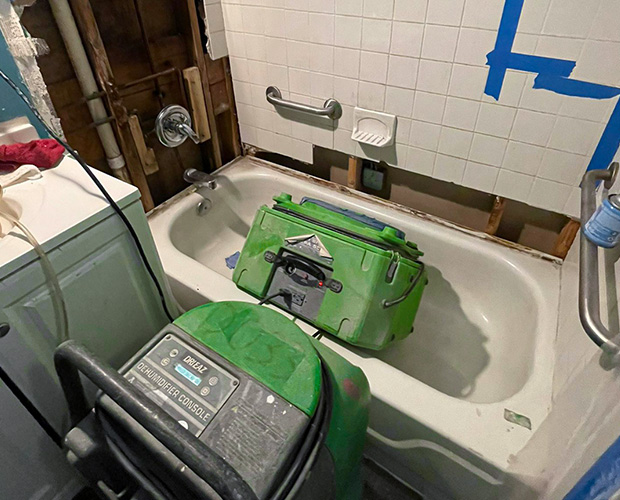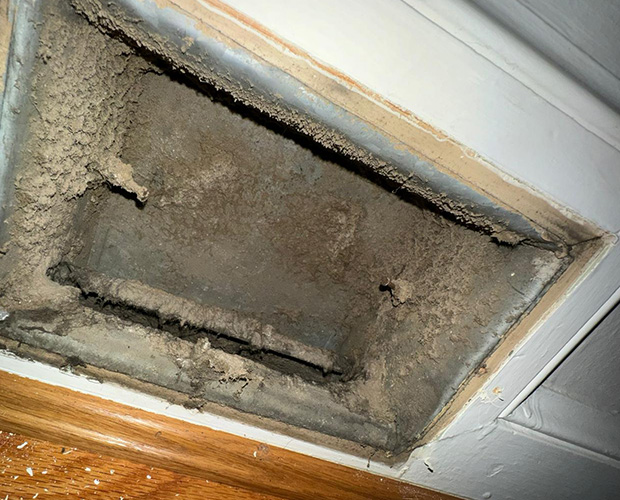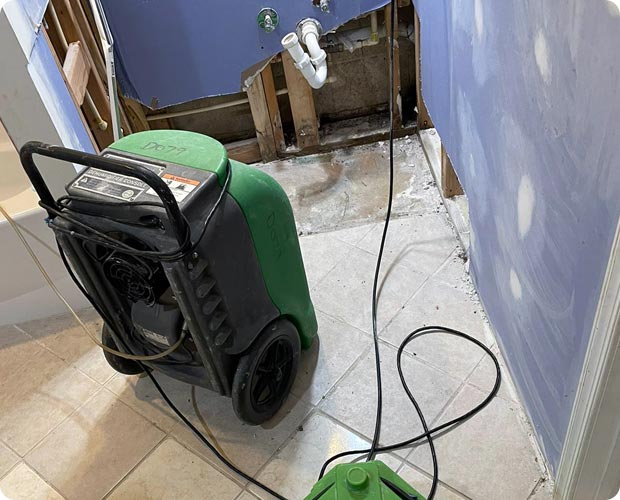
Mold remediation built for Dupont Circle
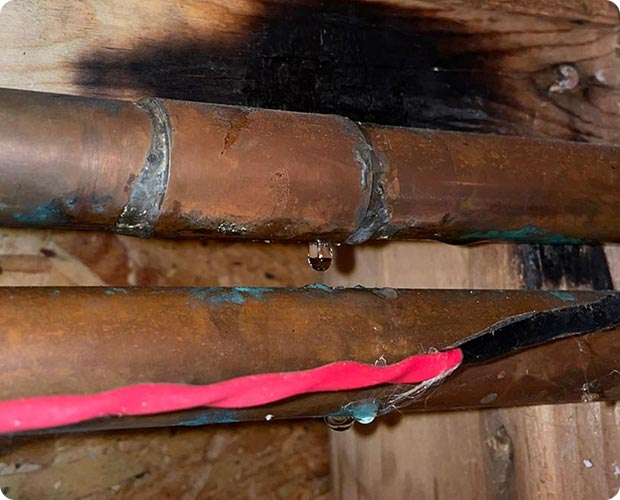
If you're in one of Dupont Circle's grand old rowhouses or converted mansions — many built between the 1870s and 1900s for the era's wealthy elite, later carved up into apartments and embassies — your unit may have plumbing added decades after the building itself, buried in old masonry walls that were never designed for a modern bathroom or kitchen's ventilation needs. That's a common, hidden source of interior wall mold, and it's not something you'd see coming.
A lot of Dupont's buildings have a raised English basement below street level, the same configuration you'll find across DC's historic core — structurally the deepest, dampest, least-ventilated part of the building, and usually the first place a musty smell shows up. If that's your unit, a smell you can't place isn't something to wait out.
You're in a dense embassy-row block layout here, and a lot of these buildings share party walls and aging drainage easements between properties — so a moisture problem next door doesn't always stay next door. If you've never had an issue but suddenly do, that's often exactly why.
Common mold types in Dupont Circle
- Penicillium/Aspergillus (retrofitted bathrooms and kitchens without adequate ventilation)
- Cladosporium (window trim and masonry, elevated in summer humidity)
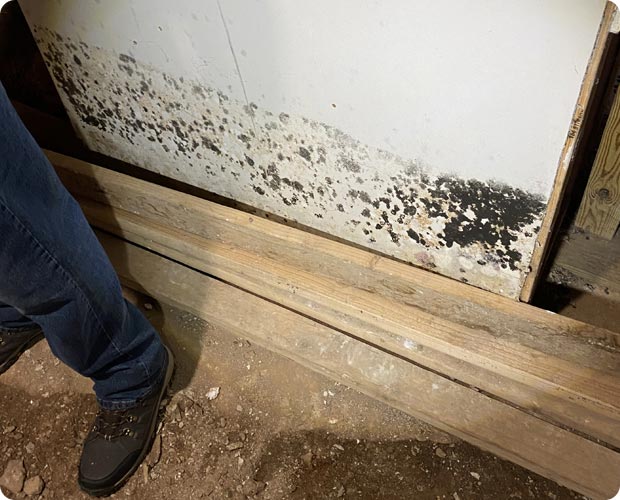
- Stachybotrys chartarum (chronic English-basement dampness in pre-1900s masonry)
- Chaetomium (long-standing leaks in converted multi-unit buildings)
We serve Dupont Circle Fountain, Embassy Row, The Phillips Collection, Kramerbooks, Rock Creek Park (nearby) and the wider Dupont Circle area across ZIP codes 20036, 20009.