Mold remediation built for New Brunswick
New Brunswick's historic downtown includes 19th-century commercial and residential structures where roof maintenance and building envelope integrity are ongoing challenges — interior mold from deferred maintenance is common.
The Raritan River borders the city and has caused historic flooding — low-lying properties near the riverfront have documented flood and mold risk.
Common mold types in New Brunswick
- Cladosporium (historic masonry buildings)
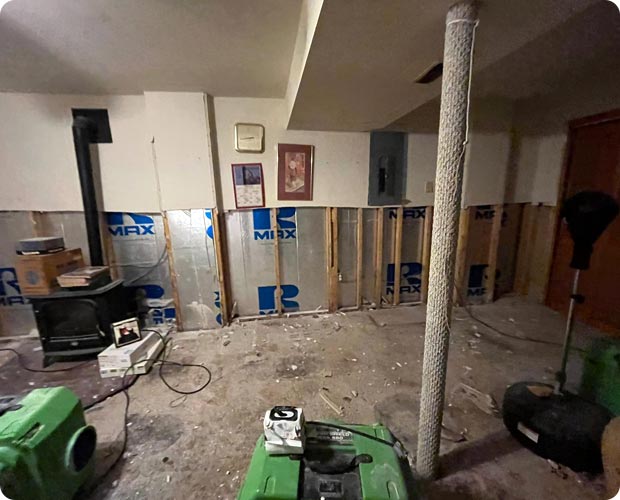
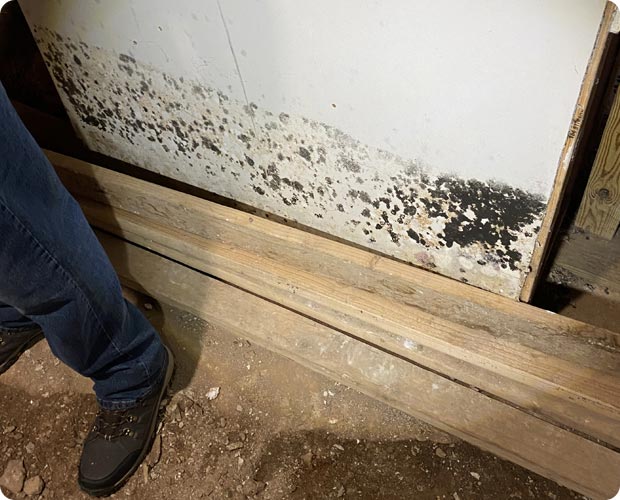
- Chaetomium (water-damaged drywall in older residential stock)
- Stachybotrys (chronic basement moisture in riverfront properties)
We serve Rutgers University, Robert Wood Johnson University Hospital, State Theatre New Jersey, Raritan River waterfront and the wider New Brunswick area across ZIP codes 08901, 08902, 08903.
Mold testing and air quality testing in New Brunswick
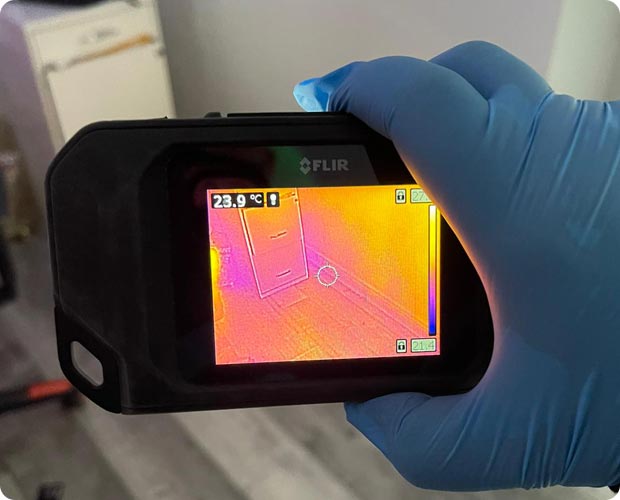
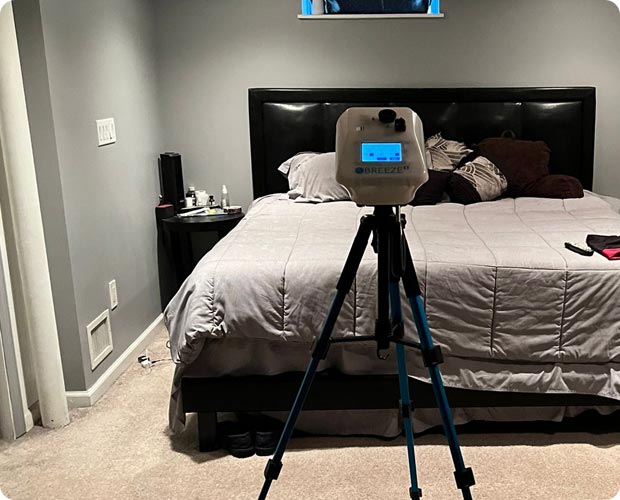
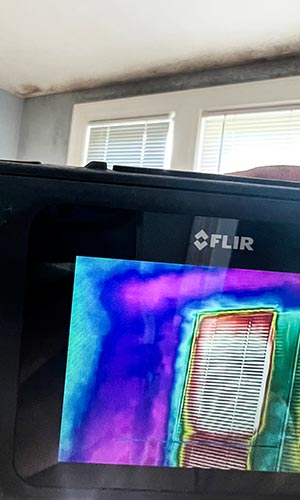
Not sure whether you have mold, or how far it has spread? A mold test in New Brunswick, NJ answers that with lab evidence instead of guesswork. Indoor air samples are compared with an outdoor control sample, surface samples are taken where growth is visible, and everything is analysed by an AIHA-accredited laboratory for species and spore counts.
It's worth booking a mold test in New Brunswick when you have:
- Unexplained musty odour with no visible mold
- Health symptoms that improve when occupants leave the building
- Post-remediation verification that work was completed successfully
- Pre-purchase due diligence on a home or commercial property
- Landlord-tenant dispute requiring independent third-party documentation
- Insurance claim requiring laboratory evidence of mold type and extent
The written report tells you whether you need remediation, gives you documentation for an insurance claim or a landlord, or confirms a past cleanup worked (clearance testing). How our mold testing works →