
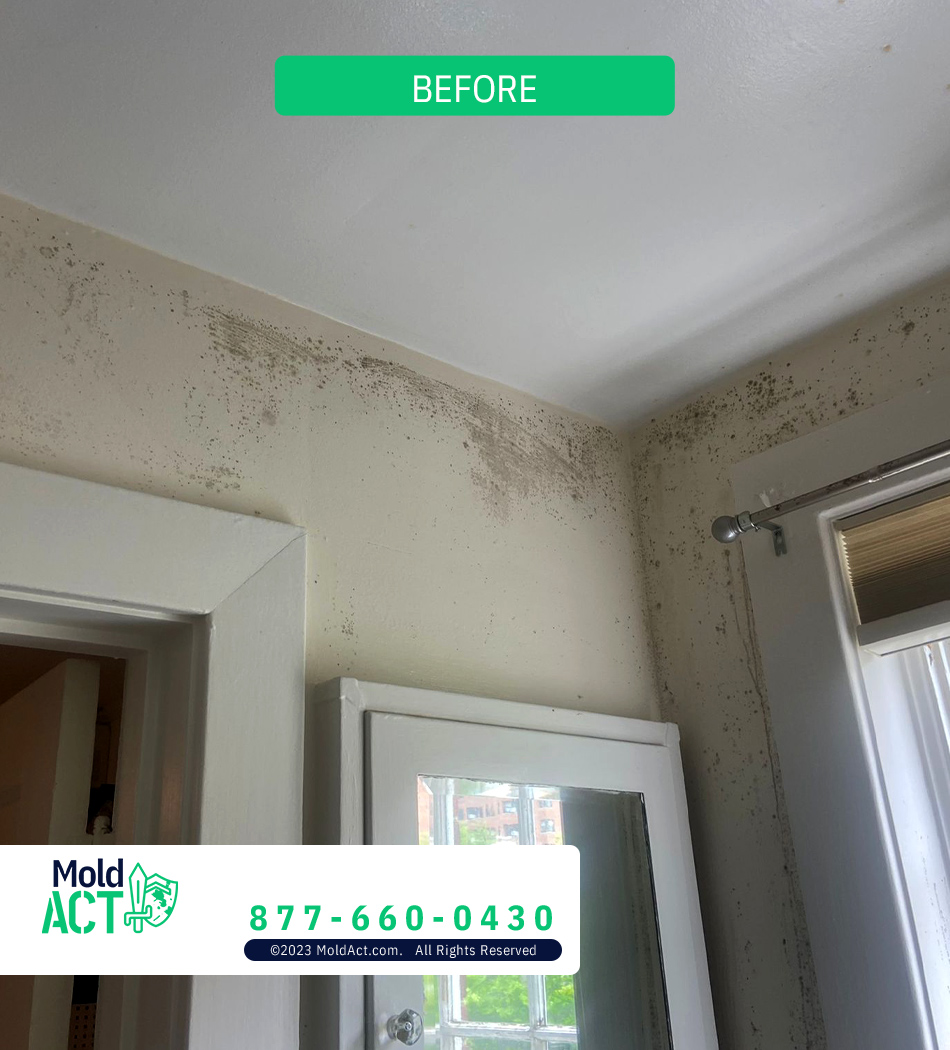
Before — illustrative
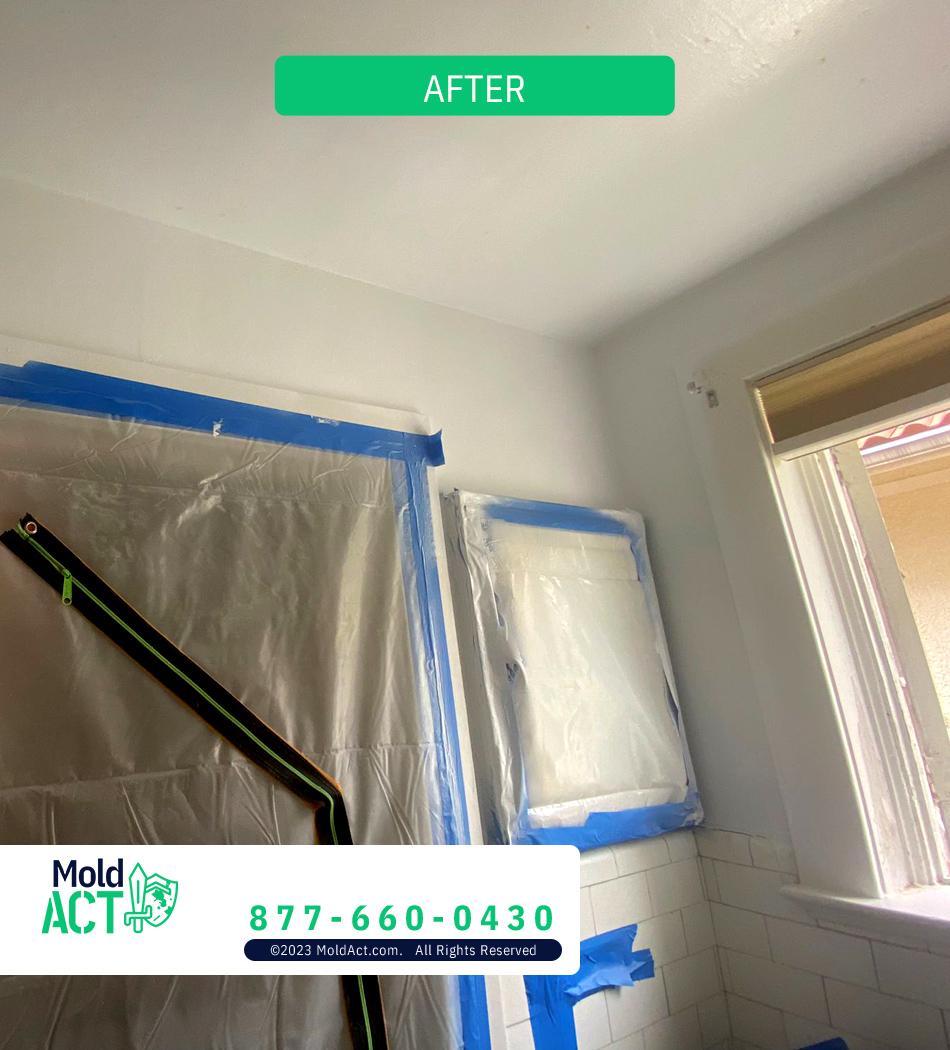
After — illustrative
The kind of Yonkers home in this story is a pre-war house or apartment building on one of the hillside streets above the Hudson — brick and masonry construction from the 1900s through the 1950s, built long before ice-and-water-shield underlayment was standard roofing practice.
(This story is illustrative of a typical job in this market — not a specific customer’s home — unless a caption on this page says otherwise. We build stories like this from real patterns in the housing stock we work in, because the situation is genuinely common, but we won’t invent a named customer or an address to make it feel more real than it is.)
The worry
It’s usually late winter or early spring when someone notices a brownish stain spreading across a top-floor ceiling, sometimes with a faint musty smell in the room below it. There’s often no memory of an obvious leak — no burst pipe, no storm the week before — which makes it confusing. By the time it’s visible on the ceiling, there’s a real question: how long has this actually been going on, and how bad is it up in the attic that I can’t see?
Why this happens after a freeze-thaw winter
Yonkers gets real winters, with the kind of freeze-thaw cycling that builds ice dams on older roofs. Heat escaping from the attic — through insufficient insulation, a bathroom fan vented into the attic instead of outside, or just an older roof deck — melts the snow directly above the warmer part of the house. That meltwater runs down and refreezes at the colder eaves, building a dam of ice that backs water up under the shingles instead of letting it drain off the edge like it’s supposed to. That backed-up water finds nail holes, seams, anywhere the underlayment isn’t sealed, and gets into the attic space — where it can sit in insulation and framing for days or weeks before it saturates through far enough to show up as a ceiling stain.
What an honest inspection actually looks for
Because the visible stain is usually the last sign, not the first, the inspection has to go up into the attic itself:
- The roof deck and framing directly above the stain, and for some distance around it — ice-dam water rarely stays in one neat spot
- The insulation, which holds moisture for a long time and is often the biggest hidden reservoir, even after a ceiling looks dry
- Ventilation and insulation gaps that are actually causing the ice dam in the first place — a bathroom fan vented into the attic is a very common, very fixable culprit
- Whether this is a first-time event from one bad winter, or a pattern — a Yonkers attic with more than one season of ice-dam water usually has mold well established in the insulation, not just a fresh stain
The fix, when remediation is actually needed
Where mold is confirmed in the attic, the sequence follows the IICRC S520 standard:
- Containment — sealing the attic access point so spores don’t drop down into the living space below while the work happens.
- Removal of affected material — saturated insulation almost always needs to be removed and replaced rather than dried in place, along with any compromised roof decking.
- HEPA cleaning of framing — treating exposed rafters and sheathing where mold has taken hold on the wood itself.
- Fixing the actual cause — this is the step that matters most for an ice-dam case specifically: sealing air leaks from the living space into the attic, correcting inadequate insulation, and making sure bathroom and kitchen fans vent outside, not into the attic. Skipping this step means the exact same thing happens again the next hard winter.
- Drying and verification — confirming framing and any remaining insulation is genuinely dry before the space is closed back up.
The independent clearance test
Once the work is done, an assessor independent of the remediation crew checks the attic for spore counts and any remaining visible growth. For an attic job specifically — a space most homeowners never see day to day — that independent, written confirmation matters: it’s the only real way to know the job was actually finished properly, not just that the ceiling stain is gone.
What we’d tell a Yonkers homeowner in this exact situation
If a ceiling stain shows up after a hard winter with no memory of a leak, don’t assume it’s a one-off just because the weather’s improved — ice-dam water can sit in an attic for weeks before it’s visible from below, and the insulation up there may already be holding more moisture than the stain suggests. It’s worth having the attic itself looked at, not just the ceiling, and worth fixing the ventilation issue that caused the ice dam in the first place — otherwise next winter tends to bring the same problem back.