
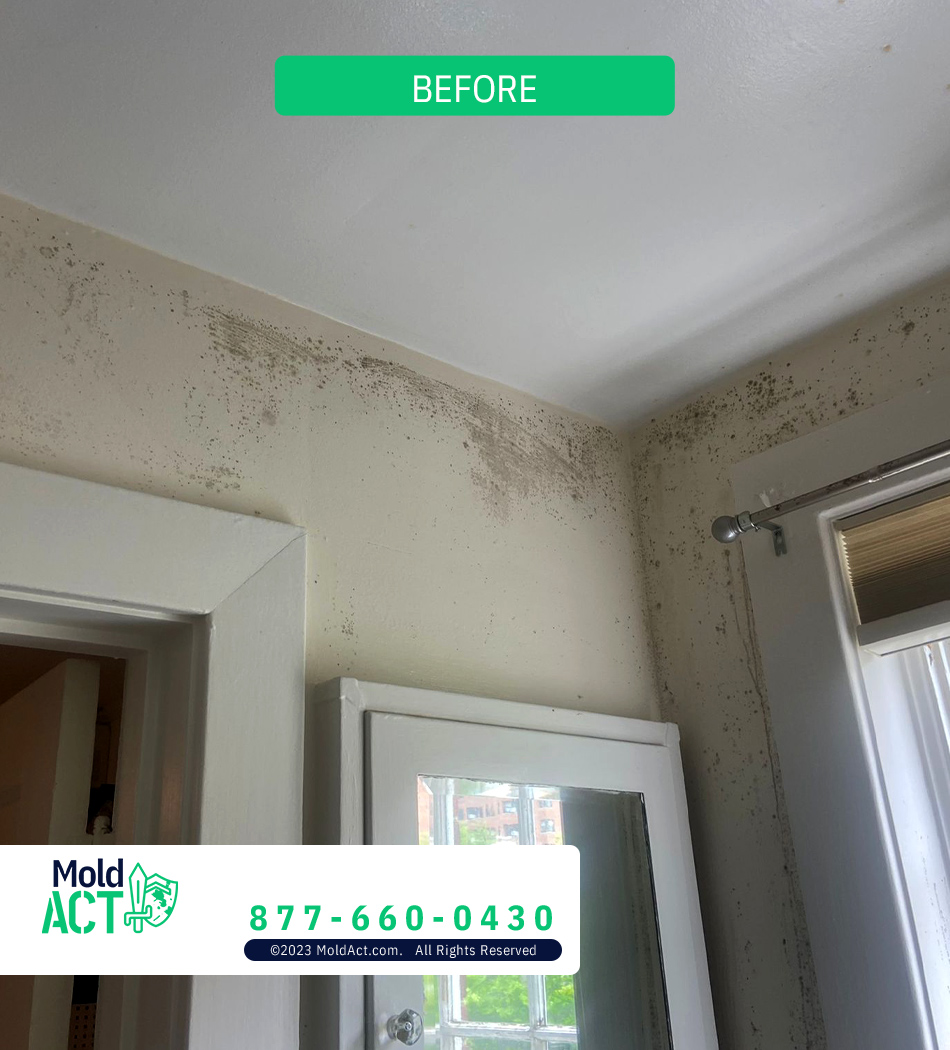
Before — illustrative
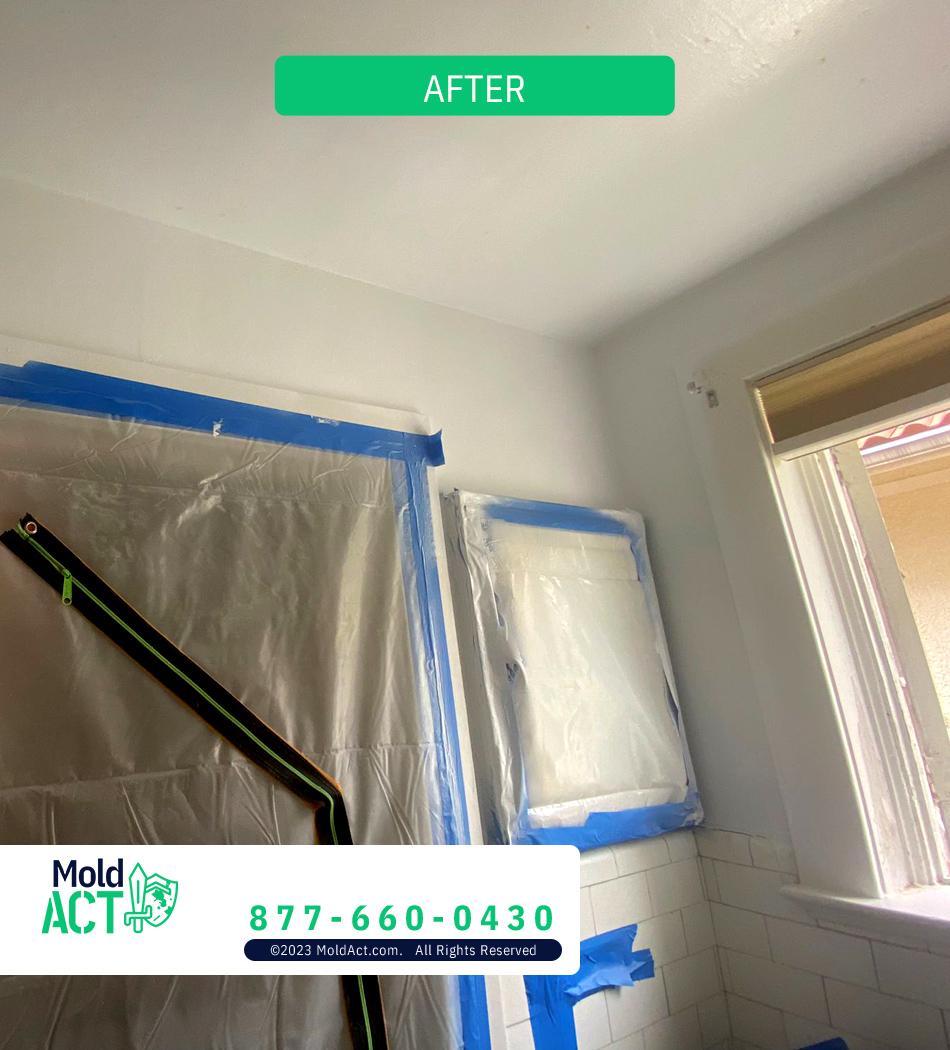
After — illustrative
This one is common enough in Boca Raton and Hollywood that we could describe it almost from memory: the AC kicks on, and for the first minute or two there’s a distinct musty, “wet dog” smell before it fades. It happens more in the shoulder months when the system cycles on and off more often, and it usually gets written off for a while — a candle, an air freshener, a shrug — before someone finally looks it up and lands on “is this mold in my air ducts?”
(This story is illustrative of a typical job in this market — not a specific customer’s home — unless a caption on this page says otherwise. We build stories like this from real patterns in South Florida’s climate and housing stock, because the situation is genuinely common, but we won’t invent a named customer or address to make it feel more real than it is.)
Why South Florida homes see this so often
Relative humidity in South Florida commonly sits between 70 and 90 percent for long stretches of the year, which means the AC system isn’t just cooling the air — it’s working hard, constantly, to pull moisture out of it. That constant duty cycle, combined with:
- Condensate drain lines that partially clog with algae and organic buildup over time
- Evaporator coils that stay damp between cooling cycles
- Dust and organic material inside ductwork that gives mold something to feed on
…means the AC system itself becomes a genuinely favourable environment for mold, especially once a unit is a few years old and hasn’t had its coils or drain pan serviced.
What we’d actually check, and what we’d tell you honestly
Before assuming a full remediation job is needed, an honest assessment separates two very different situations:
Sometimes it’s a maintenance issue, not a mold remediation job. A slow-draining condensate line or a dirty coil can sometimes be resolved by an HVAC technician — cleaning the coil, clearing the line, treating with an appropriate antimicrobial coil cleaner — without needing a mold remediation crew at all. If that’s genuinely what’s going on, we say so, and point toward an HVAC service call instead of billing for work that isn’t needed.
Sometimes there’s real growth inside the ductwork or air handler that needs proper remediation — visible growth on interior duct surfaces, in the drip pan, or on insulation inside the air handler cabinet. That’s a different scope of work entirely, and it’s what an inspection is for: telling the difference before anyone spends money.
The remediation itself, when it’s genuinely needed
Where there’s confirmed growth inside the system, the process follows IICRC S520 principles adapted for HVAC work:
- System shutdown and containment — the AC is taken offline and the work area sealed so the system isn’t circulating contaminated air through the house during the job.
- Physical cleaning — interior duct surfaces, the coil, and the drain pan are mechanically cleaned, not just sprayed over.
- Antimicrobial treatment — applied to cleaned surfaces after physical removal, not as a substitute for it.
- Moisture correction — addressing whatever let condensate accumulate in the first place: the drain line, the pan, insulation gaps, or coil servicing needs.
- Verification the system is dry before it’s sealed back up and put back into service.
The independent clearance test
Once the work is finished, an assessor independent of the remediation crew checks air quality and confirms there’s no remaining growth inside the system — so the “it’s fixed” verdict is a genuine, separate check, not the crew grading its own work.
What we’d tell a South Florida homeowner smelling this right now
If the smell is faint and only happens right when the system kicks on, it’s worth a call to your regular HVAC company first — a coil clean and drain line clear often solves it for a fraction of the cost of a remediation job. If it’s persistent, strong, or you can see growth when you look at a vent or the drain pan, that’s worth a proper inspection before anyone touches the system. Either way, ask whoever you call to tell you honestly which situation you’re in.