
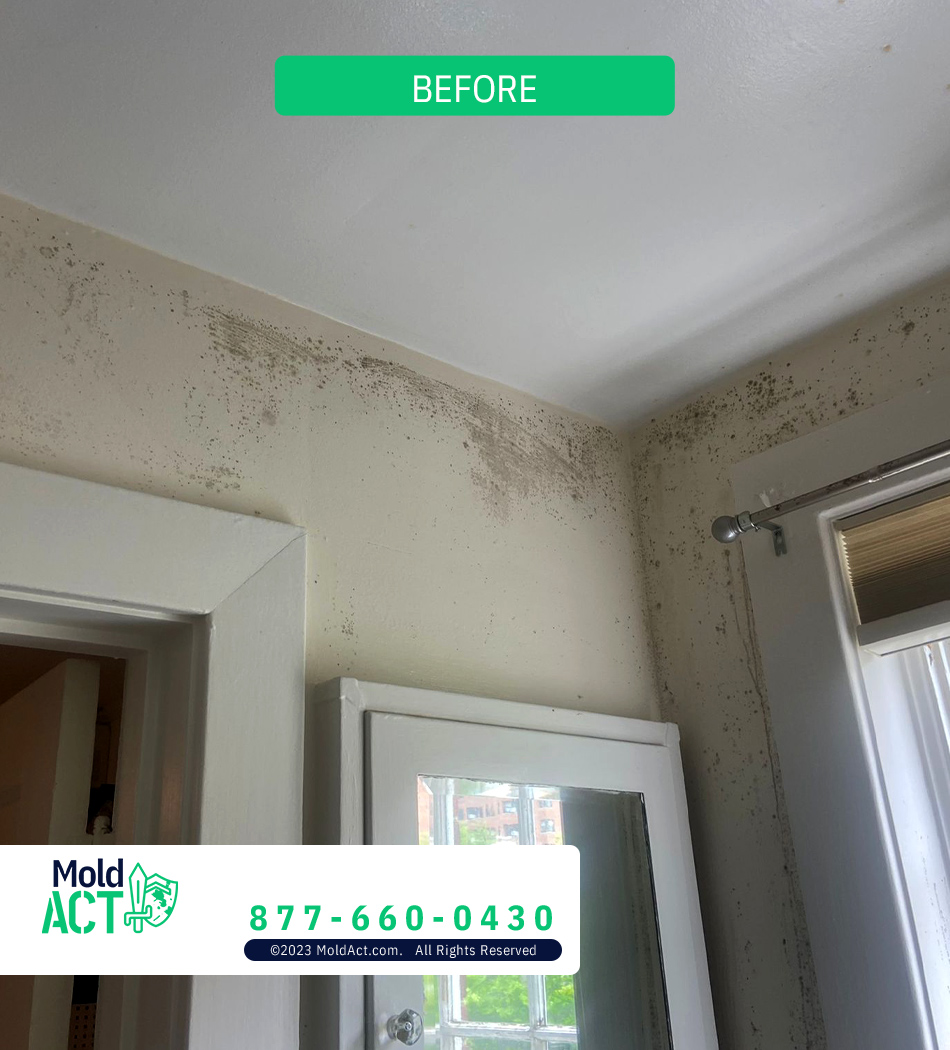
Before — illustrative
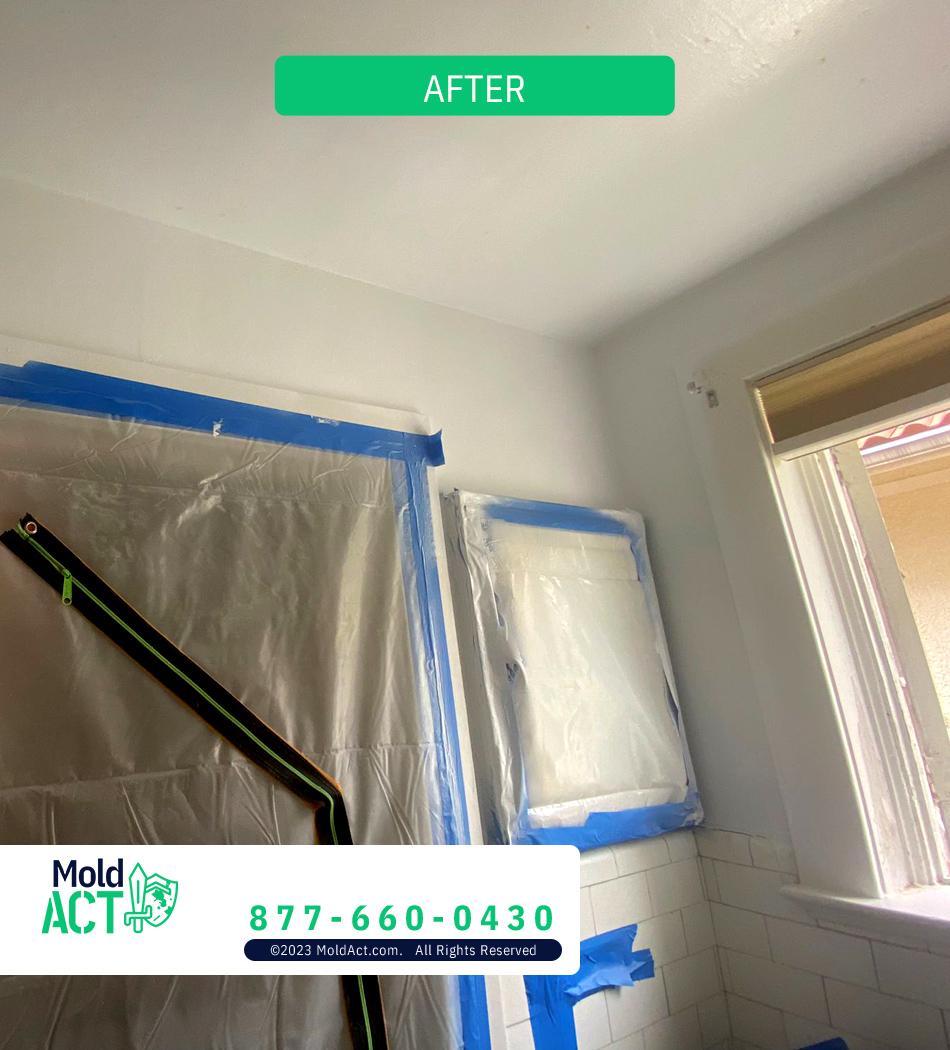
After — illustrative
The kind of Jersey City home in this story is a unit in one of the waterfront or Newport-area condo towers that went up during the 1990s–2000s boom — buildings that are well-built by any normal measure, but that share HVAC infrastructure between units in a way most residents never think about until something goes wrong somewhere else in the stack.
(This story is illustrative of a typical job in this market — not a specific customer’s home — unless a caption on this page says otherwise. We build stories like this from real patterns in the housing stock we work in, because the situation is genuinely common, but we won’t invent a named customer or an address to make it feel more real than it is.)
The worry
It usually starts with a smell that doesn’t make sense — musty air coming from a vent or a closet wall, with no leak anywhere visible in the unit itself. Sometimes there’s a faint stain creeping across a ceiling or the back of a closet that shares a wall with the mechanical shaft. The homeowner has checked their own plumbing, their own AC unit, everything they can think of — and found nothing. That mismatch, a real smell with no obvious local cause, is often the first sign that the source isn’t in the unit at all.
Why this happens in towers like this
A lot of Jersey City’s condo boom buildings route HVAC through shared vertical shafts that run behind multiple units on the same stack. It’s an efficient, completely normal way to build a tower — but it also means a coil or drain-pan failure two floors up, or in the unit next door, can travel through that shared shaft and condense or leak into a wall cavity in someone else’s home entirely. The person living in the affected unit often has no idea anything is wrong upstairs, because the water and the smell show up somewhere else first.
What an honest inspection actually looks for
Because the source usually isn’t where the symptom is, the inspection has to work backward:
- Whether the moisture and smell pattern points toward a shared mechanical shaft or chase rather than the unit’s own plumbing or window flashing
- The extent of any growth in wall cavities adjoining that shaft — often the first real physical evidence, since the shaft itself is rarely visible without opening a wall
- Whether this looks like an active, ongoing leak (worth escalating to building management immediately) or the aftermath of something already fixed upstream
- How far it’s spread within the affected unit, since shared-shaft leaks can go unnoticed for longer than a leak someone can see and report right away
This is also the point where we tell a homeowner plainly if what they’re dealing with is a building-management issue as much as a remediation one — because fixing the mold in one unit without the building addressing the source in the shaft means it can simply come back.
The fix, when remediation is actually needed
Where mold is confirmed in the affected wall cavity, the sequence follows the IICRC S520 standard:
- Containment — sealing the work area, particularly important in a shared-wall condo where spores spreading to a neighbouring unit or common hallway is a real risk, not a hypothetical one.
- Negative air pressure and HEPA filtration — keeping contaminated air from migrating through the unit while material is opened up and removed.
- Removal of affected material — drywall and insulation around the shaft wall, and inspection of any framing behind it.
- Coordination on the moisture source — since the actual leak is typically in shared building infrastructure, this step usually means documenting findings clearly enough for the homeowner to bring to building management or the HOA, not something a remediation contractor can unilaterally fix inside someone else’s mechanical shaft.
- Drying and verification — confirming the affected cavity is genuinely dry before it’s closed back up.
The independent clearance test
Once remediation is complete, an assessor independent of the crew checks the space for spore counts and any remaining visible growth. In a shared-infrastructure case like this, that written, independent result is also useful documentation if the homeowner needs to show a building or an HOA exactly what happened and why.
What we’d tell a Jersey City condo owner in this exact situation
If you’re smelling something musty with no obvious local leak, don’t assume it’s nothing just because you can’t find the source yourself — in a shared-shaft building, the source is often genuinely not in your unit. Get it looked at, get it documented, and if the trail leads back to shared infrastructure, that documentation is exactly what you’ll need to get the building to act.