
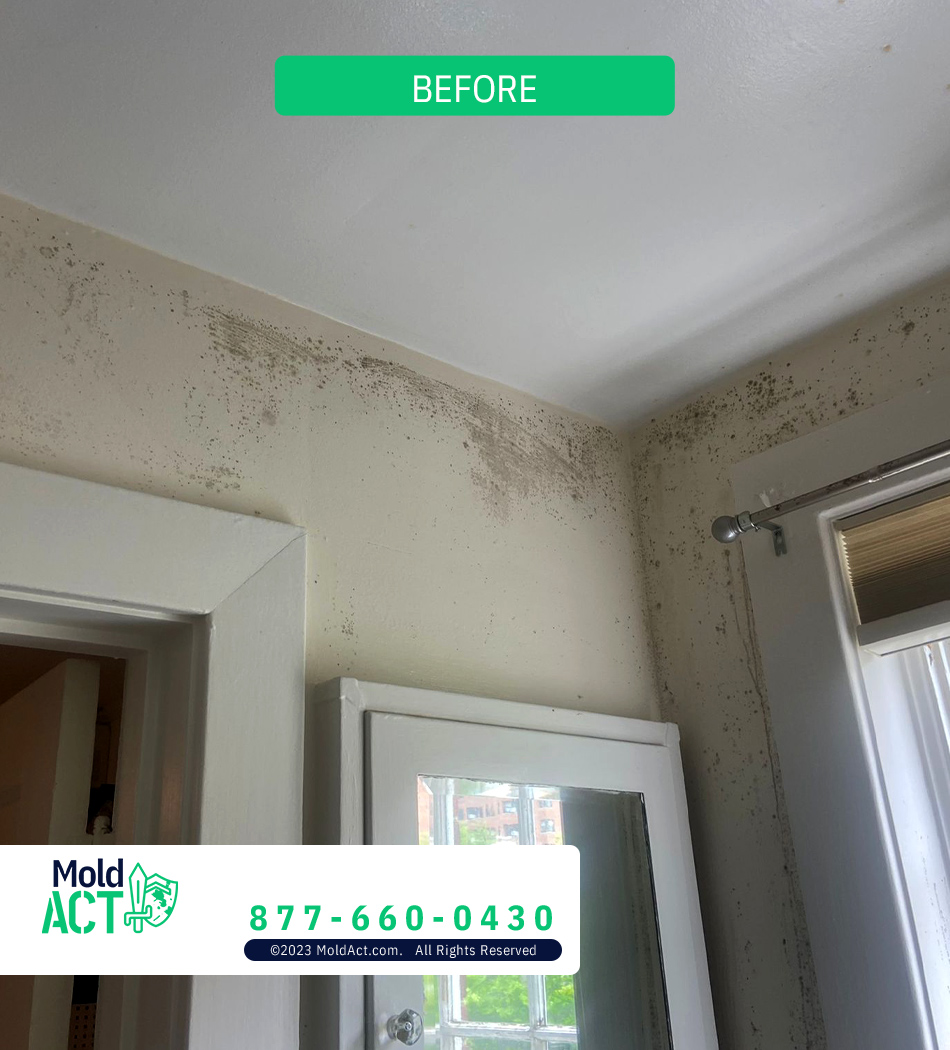
Before — illustrative
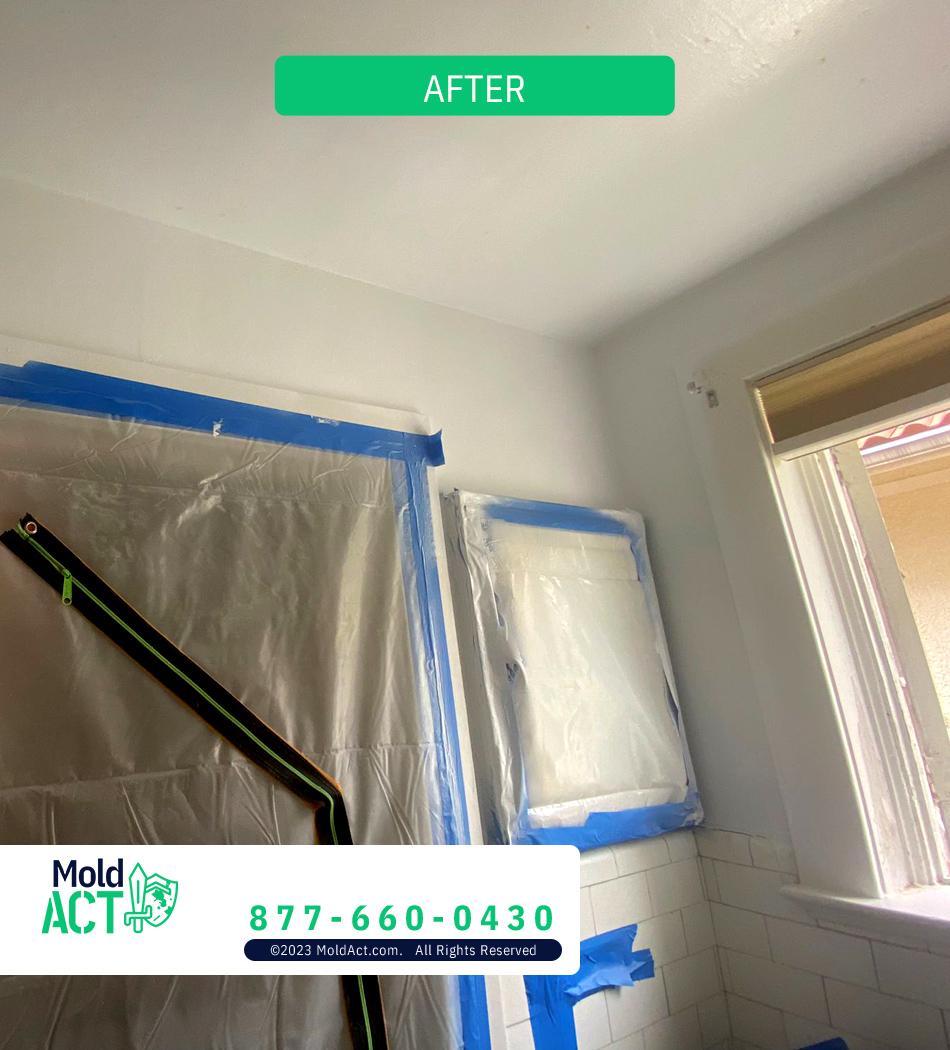
After — illustrative
The kind of Baltimore basement in this story is familiar to anyone who has lived in a Hampden rowhouse: a half-basement, partly below the hill it sits on, with a foundation that’s been standing since well before modern waterproofing was standard practice. Every wet spring, groundwater finds its way in — sometimes as visible seepage along the footer, sometimes just as a rising damp that nobody notices until the smell shows up.
(This story is illustrative of a typical job in this market — not a specific customer’s home — unless a caption on this page says otherwise. We build stories like this from real patterns in the housing stock we work in, because the situation is genuinely common, but we won’t invent a named customer or an address to make it feel more real than it is.)
The worry
In a case like this, the homeowner usually smells it before they see it — a musty, earthy note in the basement that gets stronger after a few days of rain. Sometimes there’s a visible dark patch low on a foundation wall, behind a stack of boxes or a water heater nobody’s moved in years. There’s often a kid’s playroom or a home office down there, which is exactly why the worry gets loud fast: is this making us sick? Do we need to get out of the basement completely? Is this going to cost thousands of dollars we don’t have?
That’s the moment we want to catch — before someone’s already spent money on a guess.
What an honest inspection actually looks for
A proper inspection in this situation isn’t just “yes, that’s mold.” It’s tracing the moisture back to its source, because remediating the mold without fixing why it’s there just buys a repeat visit next spring. In a typical Hampden-style half-basement, that means checking:
- The foundation wall itself, for hairline cracks or failed parging where groundwater is getting through
- Grading outside — whether the ground slopes toward or away from the foundation
- Downspouts and gutters, a very common quiet contributor when they discharge right against the foundation
- The extent of the mold itself: is it confined to a small section of drywall and framing, or has it tracked further into structural wood
Sometimes what’s found is genuinely minor — a small patch on drywall from a one-off gutter overflow, cleanable without a full remediation job. We say that when it’s true. Other times, especially with a persistent groundwater issue that’s been going on for more than one season, the moisture has gotten into framing and insulation, and that’s a real remediation job.
The fix, when remediation is actually needed
Where a full job is warranted, the sequence follows the IICRC S520 standard:
- Containment — plastic sheeting seals off the work area so spores don’t spread to the rest of the house during the work, especially important with a finished basement adjoining living space.
- Negative air pressure and HEPA filtration — keeps contaminated air from migrating upstairs while material is removed.
- Removal of affected material — contaminated drywall, insulation, and any structurally compromised framing.
- Moisture source correction — this is the step that actually stops it from coming back: sealing the foundation crack, correcting grading, extending downspouts, or in more severe cases, exterior waterproofing.
- Drying — confirming the structure is genuinely dry, not just visibly dry, before anything is closed back up.
The independent clearance test
Once the work is done, an assessor independent of the remediation crew checks the space — confirming spore counts have returned to background levels and there’s no remaining visible growth. That separation matters: it means the “all clear” isn’t the same company grading its own work.
What we’d tell a Hampden homeowner in this exact situation
If you’re seeing a small, isolated patch after a single heavy-rain event, it’s worth asking whether cleaning and drying it yourself is enough before assuming you need a full job — sometimes it is. If it’s recurring every wet season, or you can smell it before you can see it, that’s usually a moisture-source problem worth having properly assessed. Either way, an honest inspection should tell you which situation you’re in before anyone talks about cost.