
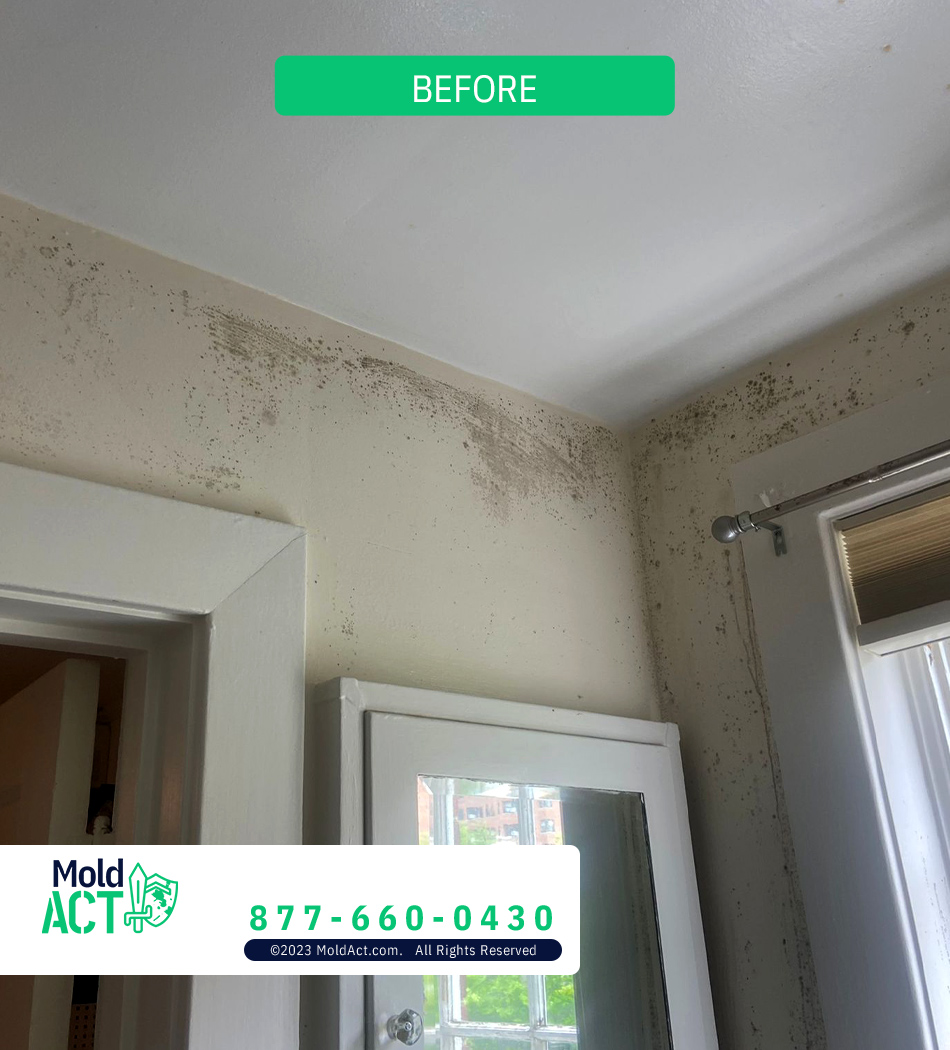
Before — illustrative
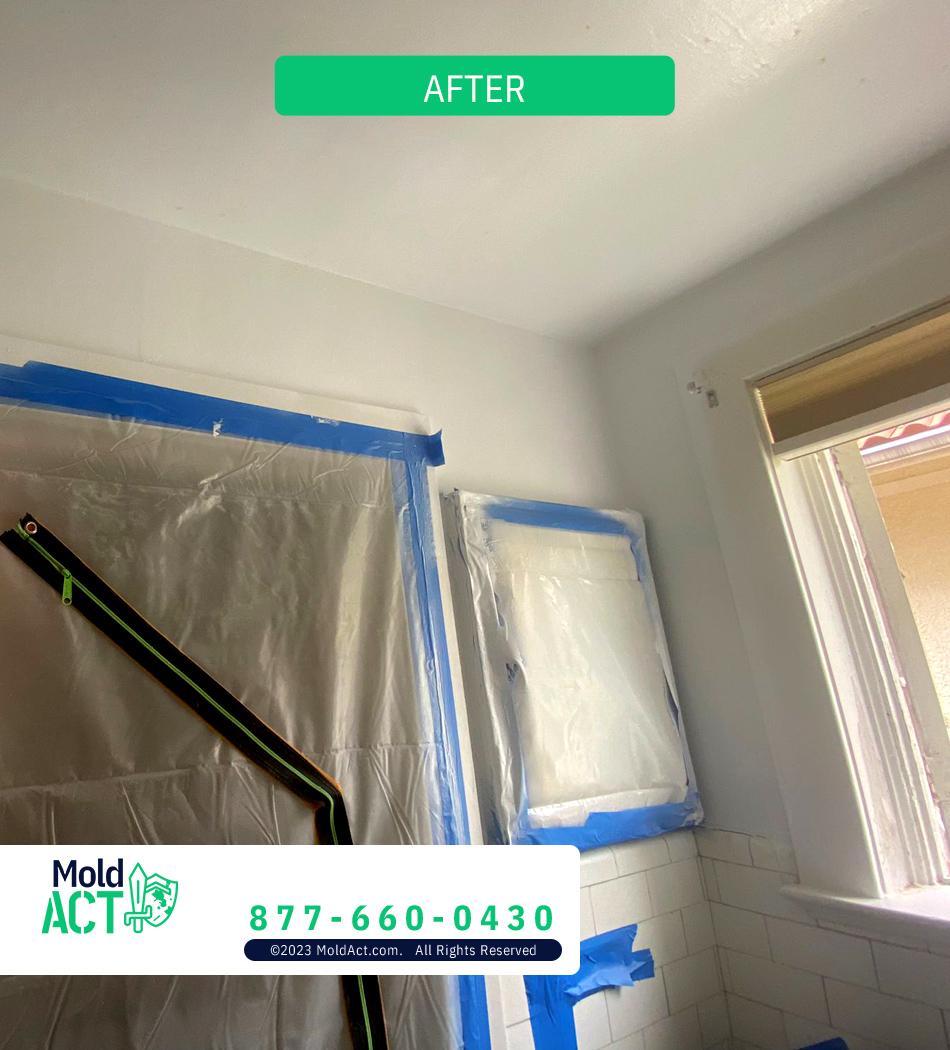
After — illustrative
The kind of Georgetown home in this story is one of the neighbourhood’s Federal-style rowhouses, many dating to the late 1700s and early 1800s — built long before anyone thought about a foundation waterproofing membrane, often sitting close enough to the C&O Canal and the Potomac to be genuinely exposed during a major storm.
(This story is illustrative of a typical job in this market — not a specific customer’s home — unless a caption on this page says otherwise. We build stories like this from real patterns in the housing stock we work in, because the situation is genuinely common, but we won’t invent a named customer or an address to make it feel more real than it is.)
The worry
It starts with a storm severe enough to push water up from the canal-adjacent low ground — not every storm, but the kind Georgetown’s waterfront blocks have a documented history of taking on. A below-grade room floods, dries out on its own over the following days, and everyone assumes that’s the end of it. Weeks later, a musty smell shows up, or a stain spreads slowly across a wall that looked fine right after the water receded.
The question by then usually isn’t “do we have a problem” — it’s “how bad is it, and what can we actually do about a 200-year-old brick foundation.”
Why old masonry doesn’t dry out the way new construction does
Brick foundations laid directly onto Potomac floodplain clay, with no modern waterproofing membrane, don’t shed water the way a modern poured-concrete foundation does. Moisture can sit inside the masonry itself for weeks after a visible flood has receded, feeding mold growth from the inside of a wall outward — which is exactly why a wall that looked dry a week after the storm can still develop a problem a month later. This isn’t a sign of neglect; it’s simply what 200-year-old construction does when it takes on water.
What an honest inspection actually looks for
- Moisture readings taken inside the masonry, not just surface-dry checks — old brick can read dry on the surface while still saturated a few inches in
- Whether the water source was purely the flood event, or whether it’s compounded by a party-wall moisture path from a neighbouring, equally old foundation
- Any prior flood history on the property — Georgetown’s waterfront blocks have had more than one major event, and a foundation that’s taken on water repeatedly behaves differently than one flooded once
- Whether the affected area involves the building’s exterior envelope at all, which determines whether Old Georgetown Board and U.S. Commission of Fine Arts review comes into play before work can start
The fix, and the timeline conversation nobody enjoys having
Where the mold is purely interior — drywall, framing, flooring — remediation follows the standard IICRC S500/S520 sequence with no regulatory review required at all: containment, removal of contaminated porous material, antimicrobial treatment, drying verification, clearance testing. That work can generally start immediately.
Where the water source or the fix requires touching the exterior — repointing brick, replacing a below-grade window, altering a basement entrance to improve drainage — that work has to go through the Old Georgetown Board and, for some categories of work, the U.S. Commission of Fine Arts, before a contractor can touch it. We say this plainly and early: it’s the single biggest difference between a Georgetown job and the same job three blocks away in a non-historic neighbourhood, and it’s better to plan around it from day one than to discover it once remediation is already underway.
The independent clearance test
Once interior remediation is complete, an assessor independent of the remediation crew verifies spore counts and confirms no remaining visible growth — standard practice regardless of neighbourhood. Where exterior work is still pending review, that’s disclosed as an open item, not glossed over: interior clearance means the space is safe to re-occupy, not that the underlying water-entry point is permanently solved.
What we’d tell a Georgetown homeowner in this exact situation
If your below-grade room took on water during a storm, don’t assume that because it looked dry a week later, it’s actually dry all the way through — old masonry holds moisture longer than it looks like it does. Get it checked properly, and if the real fix touches the building’s exterior, ask about the historic-review timeline before you commit to a schedule with anyone else in your life. It’s a genuinely different conversation than remediation gets anywhere else in the city, and pretending otherwise doesn’t make it faster.