
Saltar al contenido
Remediación de moho licenciada — llame para agendar
EN
MoldAct logo MoldAct Remediación de Moho Certificada IICRC S520
Structural drying equipment and air movers set up to dry out a water-damaged room

Restauración por Daños de Agua en Miami

La restauración de daños por agua sigue el estándar IICRC S500: extracción de agua, secado profesional en 24 horas y monitoreo de humedad — el moho puede comenzar en 48-72 horas si no se seca correctamente.

Obtenga su Inspección de Moho Gratis

O llame ahora: (877) 660-0430

Water damage restoration is time-critical. The IICRC S500 Standard for Professional Water Damage Restoration classifies water by contamination level: Category 1 (clean water from supply lines), Category 2 (grey water from appliances or overflow), and Category 3 (black water from sewage or external flooding). Category classification determines the required level of PPE, drying protocol, and whether affected materials can be dried in place or must be removed.

The 72-hour window is critical: mold can begin growing on wet building materials within 48–72 hours in conditions of elevated temperature and humidity. Immediate water extraction and structural drying within this window prevents a water damage claim from becoming a mold remediation project. This is why MoldAct offers emergency response — delay compounds cost and health risk.

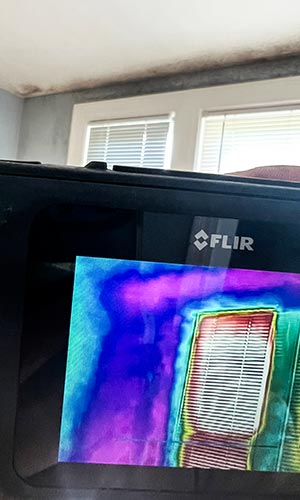
IICRC S500 drying goals specify target moisture content for different material types (wood, drywall, concrete). A restoration professional monitors moisture levels daily using calibrated moisture meters until drying goals are met. Documentation of readings throughout the drying process supports insurance claims and protects both the contractor and the property owner.

Señales de que necesita restauración por agua

  • Standing water or saturation from a burst pipe, appliance leak, or roof failure
  • Swollen, buckled, or warped flooring after water exposure
  • Wet insulation in walls or ceiling visible after a leak
  • Water staining on ceilings or walls from a slow or intermittent leak
  • Flooding from storm water or sewer backup
  • Musty smell developing within days of a water event

Por qué Miami lo sufre

Baltimore: Ellicott City's two flash floods (2016 and 2018) affected hundreds of properties, many of which were not professionally dried and developed latent mold issues. Basement flooding during heavy rain events is extremely common in Baltimore City rowhouses with aging storm drain infrastructure.

New Jersey: the coastal NJ market has high water table conditions in many areas, and basement sump pump failures during heavy rain events are a major source of water damage claims. Hurricane Sandy (2012) remains the largest single water damage event in NJ history.

Miami: tropical storms and hurricane-season moisture intrusion are the dominant water damage drivers. Category 3 water events (storm surge, sewer backup during heavy rain) require specialist handling — MoldAct works with IICRC-certified water damage restorers for all three markets.

Simple, transparent process

Nuestro Proceso de Restauración por Daños de Agua

  1. 1

    Emergency response and water category assessment

    We assess the water source and contamination category. Category 3 water (sewage, floodwater) requires immediate extraction with full PPE and treated as a biohazard. Category 1 and 2 water events may allow in-place drying of some materials if extraction is rapid.

  2. 2

    Water extraction

    Truck-mounted or portable extraction units remove standing water and surface water from flooring. Wet-dry vacuuming and floor squeegee extraction follow. Carpet and pad are assessed — saturated pad is almost always removed as it cannot be reliably dried in place.

  3. 3

    Structural drying setup

    LGR (low-grain refrigerant) dehumidifiers and high-velocity air movers are positioned to create a drying chamber effect around wet structural elements. The number and placement of equipment is determined by the IICRC psychrometric calculation based on affected square footage and material types.

  4. 4

    Daily monitoring

    A technician returns daily to read and record moisture levels in all affected materials, reposition equipment as needed, and document progress. The drying log is submitted with the job completion report for insurance.

  5. 5

    Clearance and reconstruction referral

    When all materials reach IICRC drying goals, the job is documented and closed. If mold is discovered during drying, we initiate a mold assessment immediately. Reconstruction referrals to licensed general contractors follow once the structure is dry and cleared.

Restauración por Daños de Agua — Preguntas Frecuentes

How quickly do I need to act after water damage?

Immediately. The 24–48 hour window is critical — mold can begin growing in 48–72 hours, and structural materials absorb water rapidly, making later drying progressively more difficult and expensive. Call for emergency response as soon as the water source is controlled.

Can I use fans and a household dehumidifier to dry out water damage?

Household fans and dehumidifiers are not adequate for structural drying. They do not have sufficient capacity to remove moisture from within wall cavities, subfloor assemblies, or insulation. Professional LGR dehumidifiers remove 3–10x more moisture per day than household units.

Will my insurance cover water damage restoration?

Most homeowner and commercial property policies cover sudden water damage from supply-line failures, appliance leaks, and roof damage. Gradual leaks, flooding (Category 3 from external sources), and sewer backup may require separate riders. We provide complete IICRC documentation to support your claim.

¿Necesita restauración por agua en Miami?

Contratistas de remediación de moho certificados IICRC. Llame para agendar.

Llamar Cotización