
Saltar al contenido
Remediación de moho licenciada — llame para agendar
EN
MoldAct logo MoldAct Remediación de Moho Certificada IICRC S520
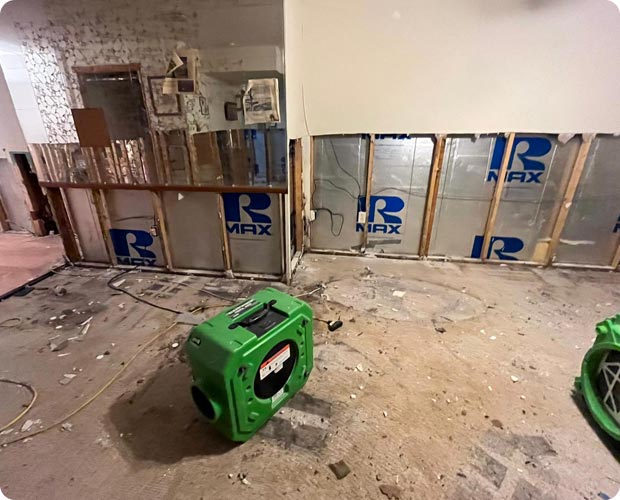
Technician performing mold remediation work in a residential basement

Eliminación de Moho en Sótano en Bel Air

La eliminación de moho en sótanos requiere identificar y reparar la fuente de humedad — drenaje, filtraciones de cimientos o humedad — antes de cualquier remediación, seguido de encapsulación del espacio sanitario si es necesario.

Obtenga su Inspección de Moho Gratis

O llame ahora: (877) 660-0430

Moho en sótano en Bel Air: lo que debe saber

Si está en el centro histórico de Bel Air, está en la sede del condado de Harford, con un núcleo de casas y edificios comerciales del siglo XIX junto al crecimiento suburbano más nuevo que se ha expandido constantemente desde mediados del siglo XX.

Gran parte del crecimiento de Bel Air en las últimas décadas ha sido en subdivisiones más nuevas construidas sobre antiguas tierras de cultivo — principalmente construcción estándar sobre losa y sótano, donde la condensación del aire acondicionado y la nivelación son las causas más comunes de moho que la mampostería histórica del centro.

Condiciones de moho en Bel Air

Tipos de moho comunes en esta zona: Chaetomium (19th-century downtown buildings with original, unimproved drainage); Cladosporium (slab and basement construction in newer Harford County subdivisions); Penicillium/Aspergillus (HVAC condensate issues across both older and newer housing); Stachybotrys chartarum (chronic seepage in historic-core properties).

Señales de que necesita moho en sótano

  • Visible mold on concrete block walls, wood framing, or stored cardboard
  • Musty odour in the basement that worsens in summer
  • Efflorescence (white mineral deposits) on concrete walls indicating moisture movement
  • Rusting of metal fasteners, pipes, or stored items
  • Condensation on cold surfaces during humid weather
  • Staining or dark discolouration on wood floor joists above the basement
  • Buckling or swelling of basement floor tiles or concrete paint
Simple, transparent process

Nuestro Proceso de Eliminación de Moho en Sótano en Bel Air

  1. 1

    Moisture source identification

    A detailed inspection identifies the primary moisture source: active foundation seepage (seams, cracks, hydrostatic pressure), slab moisture vapour, HVAC condensation, window well flooding, or outdoor grading. The moisture source must be permanently corrected before remediation begins.

  2. 2

    Mold assessment and protocol

    A licensed mold assessor documents the extent of mold growth, collects laboratory samples, and writes a remediation protocol specifying scope, containment level, and clearance criteria.

  3. 3

    Containment and material removal

    The basement is contained from upper floors. Affected drywall, insulation, and stored materials are removed. Wood framing is assessed — surface mold on dry structural wood may be treatable; deeply colonised or structurally compromised wood may require sister-framing or replacement.

  4. 4

    Structural wood treatment

    Exposed wood framing is HEPA-vacuumed, wire-brushed as needed, and treated with an EPA-registered antifungal. After drying and clearance, a barrier coating is applied to treated wood surfaces per the protocol.

  5. 5

    Moisture barrier installation

    After clearance, a vapour retarder is installed on the basement floor and lower walls where appropriate. For chronically damp basements, full crawl-space encapsulation (20-mil reinforced poly) is recommended to prevent moisture reintroduction.

Eliminación de Moho en Sótano en Bel Air — Preguntas Frecuentes

¿Proporcionan moho en sótano en Bel Air?

Sí — MoldAct proporciona moho en sótano en Bel Air (códigos postales: 21014, 21015). Llámenos para programar la cita disponible más cercana.

Can I just paint over basement mold with waterproof paint?

No — paint does not kill mold or resolve the moisture source. Encapsulant paints applied over active mold simply bury the colony, which continues to grow underneath. Surface treatment and paint is not a remediation.

How do I stop mold from coming back in my basement?

The only permanent solution is to eliminate the moisture source. This typically means one or more of: exterior waterproofing, interior drain tile, sump pump upgrade with battery backup, improved HVAC management to control humidity below 60%, and vapour barrier installation. MoldAct can help identify the right combination for your property.

Do I need to move everything out of my basement before remediation?

Yes — stored items should be removed before the assessment and remediation. Items in contact with affected areas must be evaluated for mold contamination. Porous items (cardboard, fabric, books) that are visibly contaminated typically cannot be remediated and must be discarded.

Eliminación de Moho en Sótano en Bel Air — reserve hoy

Contratistas de remediación de moho certificados IICRC. Llame para agendar.

Llamar Cotización